Three Minutes at the Mic: The Civic Ritual Americans Are Quietly Abandoning
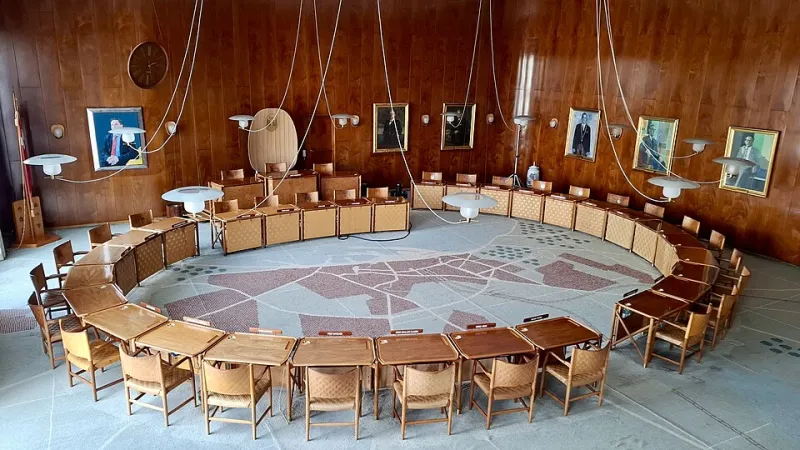
Photo: Ciara Ní Riain, CC BY-SA 4.0, via Wikimedia Commons
Every city council meeting in America begins the same way. The agenda is read, the minutes are approved, and then the mayor or board chair says the magic words: "We now open the floor for public comment."
In a typical meeting, the floor stays open for thirty minutes. In a typical meeting, two people sign up.
The Empty Podium Problem
Walk into almost any school board or zoning hearing in the country and you'll find the same scene: rows of empty chairs, a microphone gathering dust, and three minutes of allotted speaking time that nobody claims. Meanwhile, online, the same issues—budget cuts, curriculum changes, a new housing development—generate thousands of heated posts within hours.
The disconnect is striking. Americans have never been louder about politics and never quieter where it legally counts.
The numbers tell the story. Federal rulemaking dockets that once drew tens of thousands of unique substantive comments increasingly see volume concentrated among organized campaigns—form letters submitted en masse—while individual, original participation shrinks. At the local level, attendance at public comment sessions has dropped in many municipalities, with some boards reporting the same dozen faces cycle through month after month.
Why Nobody Shows Up
Ask around, and a few explanations come up again and again:
Nobody knows it exists. Public comment periods are rarely advertised where people actually look. Meeting notices run in legal classifieds and on government websites that get a fraction of the traffic of any single local Facebook group.
It feels performative. Many residents suspect the decision is already made before the mic opens. Sometimes they're right. Often they're not—comment periods have genuinely killed bad zoning votes, revised school budgets, and forced federal agencies back to the drawing board.
The logistics are hostile. Meetings start at 6 p.m. on Tuesdays. Childcare isn't provided. Speaking requires signing up in person, sometimes an hour before the meeting begins. Every barrier filters out exactly the people most affected by the decisions being made.
Online feels like participation. This may be the biggest one. Posting a comment on a viral thread feels like civic action. It isn't. A comment on a docket or at a podium is on the record. Agencies and boards are legally required to review it. Your aunt's Facebook post about the millage renewal is not.
How to Make a Comment That Actually Works
Here's the part nobody teaches you. Former council aides and hearing officers say the comments that influence outcomes share a few traits:
1. Lead with a specific ask. "I oppose this" gives a board nothing to act on. "I ask the board to delay the vote until the traffic study is released" gives them a concrete motion.
2. Bring a fact they don't have. Elected officials are drowning in opinions and starving for information. A single data point—your street's accident count, another district's cost per pupil—sticks in a way slogans don't.
3. Tell one true story, briefly. "My daughter's bus route was cut in March and she now walks 1.4 miles on a road with no sidewalk" is more persuasive than five minutes of general grievance. Specifics signal credibility.
4. Respect the clock. Going over time reads as disrespect for the process and gets you cut off mid-sentence. Practice your three minutes. Edit ruthlessly.
5. Put it in writing, too. Spoken comments matter, but a written submission to the docket or board email creates a permanent record that must be retained and reviewed. Do both.
6. Skip the insults, keep the heat. Passion is fine. Personal attacks let officials dismiss everything else you said. Don't hand them the excuse.
7. Follow up. The comment period ends; the persuasion doesn't. Email the board member who represents your district, referencing your comment. Ask how they'll vote and why.
The Mic Is the Message
There's a deeper point here about how democracy actually functions. Social media rewards volume, speed, and outrage. Public comment rewards precision, patience, and showing up. They are opposite skill sets—and the quiet one is the one with legal force behind it.
Every three-minute slot at the podium is a direct, documented line to the people making decisions about your street, your kid's classroom, your water rates. It's imperfect. It's inconvenient. It's also the last part of the process where an ordinary resident gets the same microphone as the paid lobbyist.
Use it or lose it. Boards that hear from nobody conclude that nobody cares. Boards that hear from thirty thoughtful neighbors behave like thirty people are watching—because they are.
Have you ever spoken at a public meeting? What worked, what flopped, and what would you tell a first-timer? Voice Your View wants your take in the comments.