
Latest News
-
-275x90.jpg)
Bees feast on fast food
Honey bees love the invasive plant Himalayan balsam and eat it like ‘fast food’ but, like humans, they thrive better on a varied diet.
-
web-275x90.jpg)
Flood impacts brought to life through science and technology
A team of scientists and academics from Lancaster will be at the Manchester Science Festival this week to raise awareness of the devastating risks and impacts posed by flooding.
-

First ever sight of a ripple in space time
A Lancaster professor is part of an international collaboration which has detected an astronomical phenomenon never before observed.
-

Blood pressure medication does not completely restore vascular function
Treatments for high blood pressure do not totally reverse its damaging effects on the vascular rhythms that help circulation of the blood say researchers.
-
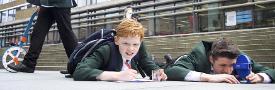
Taking world leading research into schools
Lancaster has been taking its world-leading research into the classroom to inspire the next generation of researchers
-
Lancaster leading government report into North West potential for Eco-Innovation
Lancaster is leading one of the UK government’s 12 new regional science and innovation audits (SIAs) to develop a new approach to regional economic development.
-
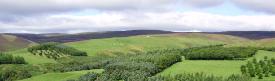
Forest grazing counteracts the effectiveness of trees to reduce flood risk
Planting trees can reduce flood risk, but a high intensity forest land use, such as grazing, can counteract the positive effect of the trees, a recently published study suggests.
-
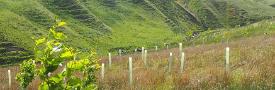
New report reviews role of trees in flood alleviation
Severe floods that hit Cumbria in December 2015 led to an increase in calls for natural solutions to be included in flood alleviation schemes.
-
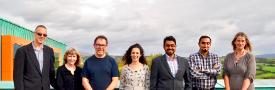
Athena SWAN Bronze Award for Lancaster’s School of Computing and Communications
Lancaster’s School of Computing and Communications (SCC) has received an Athena SWAN Bronze Award in recognition of its commitment to advancing the careers of women in science.
-
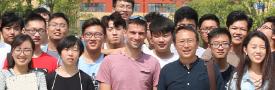
Best of both worlds: Lancaster University and Beijing Jiaotong University
Two Environment Centre academics are splitting their time between the UK and China, bringing Lancaster teaching to Chinese undergraduates.