The Paper Trail Is the Point: Fifteen Minutes With Your Meeting Minutes
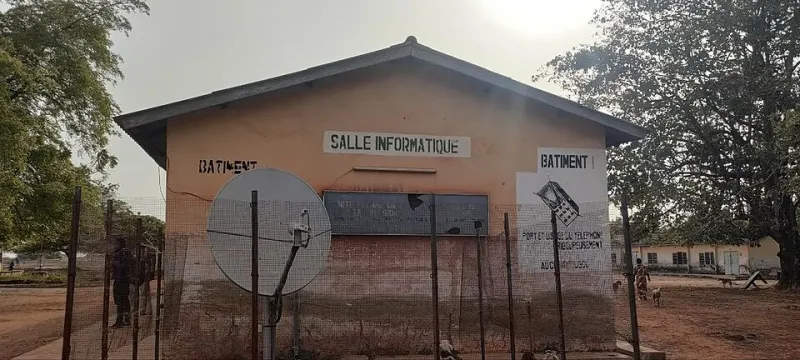
Photo: Moustaf.Sa, CC0, via Wikimedia Commons
Most civic frustration starts vague. They never listen. The council just does what it wants. Something is off with that contract. Meeting minutes are the antidote to vague. They will not give you the whole story, but they give you a paper trail. And a paper trail is how a complaint becomes a question, and a question becomes a voice.
This is an opinion, so I will say it plainly: reading your local government's meeting minutes is the most underrated civic act in America. It is also one of the cheapest. Fifteen minutes a week, a cup of coffee, and a search bar. No costume. No public speaking. No need to wait for a public comment sign-up sheet.
Why the minutes beat the group chat
Group chats trade in vibes. Minutes record motions, votes, dollar amounts, staff recommendations, and summaries of public comment. They are imperfect. They are written by humans. They sometimes leave out the tension in the room. But they are searchable, and they are public. That combination is rare.
When you read the minutes, you stop arguing about what you think happened and start asking about what the record says happened. That is a different conversation. It is harder to dismiss.
Where the paper trail lives
Start with your city or county website. Look for a page called Agendas and Minutes, Public Meetings, or Government Transparency. Many cities use portals with names like Legistar, CivicPlus, or Granicus. Do not forget the school board, the planning commission, the library board, and the county board of supervisors. Local government is not one body. It is a stack of them.
Search for your city name plus council minutes plus 2026. If the minutes are missing or incomplete, every state has a public records law. Ask the city clerk what the process is. Keep the request narrow: a date range, a meeting body, and a topic.
What to look for in 15 minutes
You do not need to read every page. Start with the consent agenda, the part where several items pass in one vote without discussion. That is often where spending hides. Then look at the votes. Who dissented? Who was absent? Then read the public comment summary. What concerns came up again and again? Then scan staff reports for costs, timelines, and the word deferred.
Pay attention to contracts and change orders. Pay attention to zoning and variances. Pay attention to anything that gets pushed to a future meeting. A single deferral is normal. The same deferral three months in a row is a pattern.
Patterns are the payload
One meeting tells you what happened. Three meetings tell you how things work. Read the minutes from the last three meetings in a row. Use a highlighter or a notes app. Write down recurring names, recurring intersections, recurring phrases like we will revisit this. Then ask a specific question: On page 14 of the November 10 minutes, the council deferred the sidewalk project for the third time. What would need to change for it to move forward?
That is not a gotcha. That is legibility. There is a difference.
Turn notes into a useful voice
You do not need to be an expert to send a useful email. Cite the meeting date and page number. Ask one clear question. Say what outcome you are looking for. If you want to speak at the meeting, bring your notes. If you cannot attend, submit a written comment. Share your findings with a neighbor. The paper trail gets stronger when more than one person is reading it.
The habit is the point
Democracy is not a spectator sport, but it does require a scorecard. Fifteen minutes with the minutes is a small way to keep one. It will not fix everything. It will make you harder to ignore, because you will be speaking the language of the record instead of the language of the rant.
Every voice matters. Every view counts. Sometimes the view is just a PDF.