Inclusive, Diverse, Fair
Lancaster University's Physics Department is a friendly, medium-sized department with a warm and diverse atmosphere.
The Department of Physics has a high proportion (15%) of female physics professors compared with the national average (4%). We welcome everyone and are strongly committed to fostering diversity within our community as a source of excellence, cultural enrichment, and social strength. Our family-friendly policy includes flexible working hours, maternity and paternity leave policies, and on-campus daycare for under-fives.
Lancaster University and the Department of Physics are also committed to breaking down barriers and improving access to Higher Education through its widening participation programmes.
The equality and diversity committee within the Department of Physics meets regularly to continue to strive for a welcoming, inclusive, diverse and fair department.
Athena SWAN
Athena SWAN was established by the Equality Challenge Unit in 2005 to advance the careers of women in science, technology engineering, maths and medicine. In 2015 the Athena SWAN charter was expanded to other fields and to professional and support roles in Higher Education, and to be inclusive of trans staff and students and to address gender equality more broadly.
Lancaster University has held a Bronze Award since 2008, which was renewed in 2012. The Physics Department at Lancaster has been awarded an Athena SWAN Silver award in recognition of its commitment to Athena SWAN’s charter principles.
IOP Juno Champion
Just one in five undergraduates and lecturers, and one in 25 physics professors in the UK are women. Lancaster University takes part in the Institute of Physics’ Juno project, which addresses the problem of the very low proportion of women in Physics, especially in more senior academic posts.
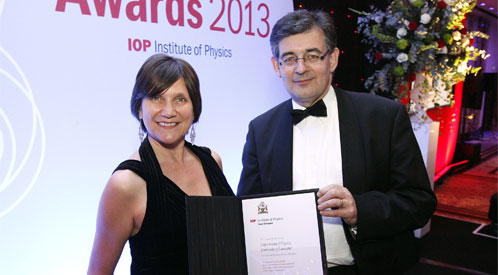
The Physics Department was been awarded Juno Champion status in July 2013, but we know that the road does not end there. The good practices and procedures that have led to this prestigious award will continue to be implemented and evolved through the coming years.
These include procedures such as:
- Identifying discrepancies in the proportion of women applying for academic posts compared with the proportion that receive and accept offers.
- Monitoring staff and student views with regular surveys and questionnaires for both men and women.
- Setting up the Physics Staff Advisory Committee with elected representatives from different staff groups within the Department.